Laxmikant Shetgaonkar | Offcial Website
Lodhi Garden Delhi Visiting Timings & How to Reach
Lodhi Garden Delhi Visiting Timings & How to Reach
Lodhi Gardens is not only known for its impressive flora but also for the rich fauna that inhabits the space, making it an ideal destination for birdwatchers and nature enthusiasts alike. This section serves an educational purpose, promoting awareness about traditional gardening techniques and sustainable practices for preserving biodiversity." These trees not only provide shade for visitors seeking refuge from the scorching sun but also serve critical ecological functions by supporting local wildlife and offering habitats and nesting sites for birds and insects.
3 लोदी गार्डन में बड़ा गुंबद – Bara Gumbad In Lodi Gardens In Hindi
Winter brings clear skies, comfortable temperatures, and excellent visibility that showcase the gardens' beauty in crisp detail. The combination of blooming flowers, green lawns, and pleasant weather makes spring the most popular time for visiting. The famous rose garden reaches its peak during spring, creating spectacular displays that attract visitors specifically for the floral experience. This season represents the gardens at their most spectacular, with perfect weather complementing the visual splendor of blooming flowers.
- These are some of the attractions that you can visit near Lodhi Gardens.
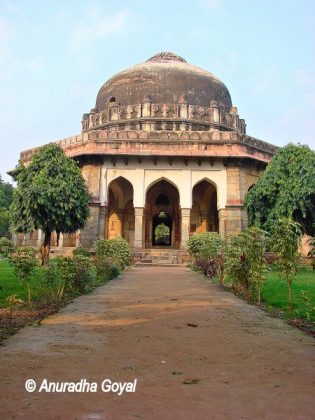
- It is such a tomb that is a perfect example of how simple architecture can be so elegant during the period of Lodhi.
- Lodhi Gardens faces various environmental challenges common to urban green spaces, including air pollution, water scarcity, and pressure from surrounding development.
- We respect the environment by not littering and following the park’s rules.
The Lodhi Garden’s nearest metro station is the Jor Bagh metro station, just 1.1 km away. So, it is easily accessible from across the city. The magnificent park spans over 90 acres, featuring stunning structures and graves. It is an architectural marvel brought to life by the Sayyid and Lodhi dynasties that held sway over Delhi in the 16th century. Yes, you are allowed to bring the outside food in Lodhi Garden.
Phenomenal Delhi Tour Package
The Sheesh Gumbad or the Glazed Dome was built around the same time but is smaller in size. The tomb of Mohammed Shah, the last of the Sayyid rulers was built in 1444 by Ala-ud-din Alam Shah to pay a tribute to Muhammed Shah. Udaipur was one of my favorite cities in India to visit – the palaces, the markets and the beautiful… Lodhi Garden is also a beautiful, landscaped green space, home to a variety of trees, plants, and birds.
The inside of the tomb has a high dome, with a painted ceiling and beam and lintel entrances in red sandstone. This tomb has an uncanny resemblance to Adham Khan’s tomb in Mehrauli, with three archways opening on each of the eight sides. Built-in the early 16th century by his son Ibrahim Lodi, this tomb is in the typical octagonal shape of the Lodi Lodhi Garden era.
It is not just a park; it’s a combination of history, nature, and tranquility. Lodi Gardens is one of the most peaceful and beautiful places to visit in Delhi. Known for its lush green lawns, ancient tombs, and scenic walking paths, it’s a favorite spot for locals and tourists alike.
Lodhi Garden is a fitness destination in addition to history and beauty. The tombs of Sayyid ruler Mohammed Shah and Lodhi King Sikandar Lodhi can be found at this location. Plan a visit here throughout the day to take in the sights and sounds of the garden. Apart from its architectural splendor, Lodhi Garden is also known among Delhiites as a fitness destination. Professional guides will take you on a journey through history and educate you on the finer points of Lodhi Garden.
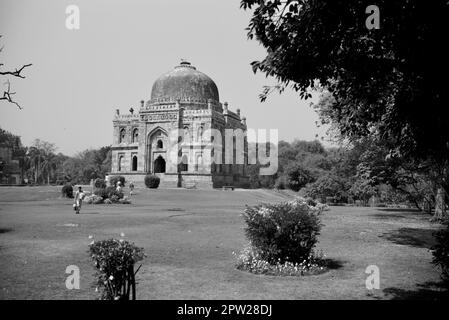
Some key components of the Indo-Islamic architecture such as the Sikander Lodhi and Mohammed Shah tombs, Athpula Bridge, and Shisha Gumbad can also be found here. Lodhi Garden houses the tombs of rulers from the 15th and 16th centuries, including Sikandar Lodi and Muhammad Shah, who belonged to the Lodhi dynasty. These monuments are fine examples of Indo-Islamic architecture and provide insight into the rich cultural and architectural heritage of Delhi. It wasn’t until the British colonial era in the 20th century that efforts were made to restore and preserve the park’s historical monuments.